
You are about to leave a GSK website
You are about to leave a GSK website. By clicking this link, you will be taken to a website that is independent from GSK. The site you are linking to is not controlled or endorsed by GSK, and GSK is not responsible for the content provided on that site.
Why Shingles Prevention Is Important
Shingles is a painful, blistering rash that can disrupt your life for weeks.
The rash usually appears on one side of the body or face and can last 2 to 4 weeks. The pain from shingles has been described as aching, burning, stabbing, or shock-like. Shingles pain can affect simple, everyday tasks, so don't learn the hard way.
Who Should Get the Shingles Vaccine?
The risk of shingles sharply increases after 50 years of age. Even though not everyone at risk will develop shingles, 99% of people 50 years and older already have the virus that causes it inside their body. This virus can reactivate at any time.
The Centers for Disease Control and Prevention (CDC) has recommendations on who should be vaccinated against shingles.
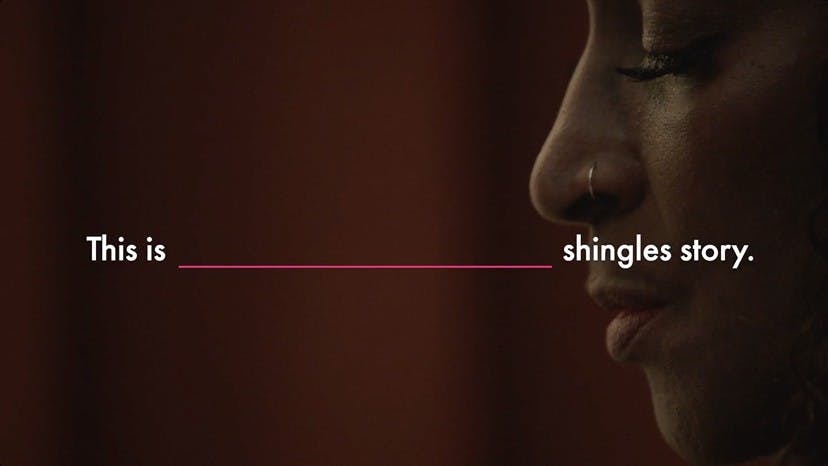

Don't Learn the Hard Way About Shingles Prevention
Shingles can develop unexpectedly and disrupt the lives of those affected, like Laarni, Tom, and Cassandra.
Shingles symptoms may vary case to case (ie, you may not experience the same symptoms as described in the video).

How Vaccination Helps Prevent Shingles
Shingles vaccination boosts your immune system to protect against shingles. As a result, your body is better able to keep the virus from reactivating.
Get Ready to Talk to Your Doctor About Shingles

Over 50 years old? Don’t find out about shingles the hard way. Ask your doctor about shingles vaccination at your next visit. Not sure how to start the conversation? Use the questions below as a guide on what to ask your doctor or pharmacist about shingles prevention.
Questions
- I haven't been around anyone with shingles. Can I still get it?
- I don’t remember having chickenpox. Am I at risk of shingles?
- How do my current health conditions impact my risk of developing shingles?
- Will a healthy lifestyle and regular exercise prevent shingles?
- What are the potential complications of shingles?
- How could developing shingles impact me?

Explore the GSK Help Center website to find customer service support and contact information.